Rose Diseases
Disease and Insects afflict a lot of flowering plants, but they can be devastating to rose bushes, especially black spot. Hardy rose bushes are not immune to the problems. In northern and midwest gardens, rose bushes covered by snow may be protected from the cold, but the moist conditions in spring caused by slow melting snow can contribute to the problem of spreading disease which has over wintered in the ground and on the rose bush.
Controlling Rose Diseases
Many of the new hybrids, as well as some of the old fashioned rose bushes, are quite resistant to the viruses and fungi that can plague rose gardens. With a well selected rose bush, and proper care and attention, you may be able to avoid the worst of these problems. Should a disease strike, there are many chemicals on the market that can help correct the problems, and some that will inhibit the diseases from striking in the first place. They are generally sprays, or canisters of powder that is “puffed” out in a powdery mist onto your bush. There are of course non-chemical or organic solutions and prevention of rose disease, which should be your first line of defense. Some of the rose diseases can be devastating to your plants, so check them diligently and work to prevent them in the first place. Most fungus disease can be spread by wind, water, insects and GARDENERS, so clean up after you have handled infected plants. And rain or sprinklers splashing water will spread fungus, 2 to 3 inches of mulch around your plants will minimize water splash. The spores can be carried on your hands, garden gloves, tools and clothes. In Northern and Midwest gardens, leave winter protection in place to keep the plant dormant until the ground is well thawed and temperatures are warm. Fungus that has overwintered will not be presented with such moist conditions, as the ground at the base of your plant will thaw and then dry out more rapidly in the warm temperatures. Proper pruning to keep the centers open will allow better air circulation which can deter fungus from growing. Preventing fungus from striking is the best defense.
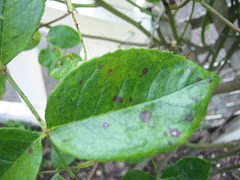
Black Spot: Diplocarpon rosae, a fungal disease, is the most common and most rampant rose disease. Nearly every rose bush is susceptible to some degree, hybrid tea roses are generally the most susceptible. Small dark spots appear on the leaves, growing and eventually covering the leaf. They then turn yellow and promptly fall off. Often the bush will lose it’s leaves entirely and the rose bush becomes very weak and petal color may also become pale. When a rose bush goes into winter in this state, the buds are very vulnerable to winter injury. Black spot may continue to spread to the canes, and leaf and flower stalks. Once the rose plant has become infected, all diseased canes should be pruned off to good wood.
Warm damp weather will encourage the disease. Dry hot weather, over 85 degrees, will kill spores. Infected leaves should be immediately removed from the bush, or the ground, and thrown in the trash, with the hope of minimizing the spread. NEVER throw them in the compost heap. There is nothing you can do about rain and humidity keeping your leaves wet, but you can do supplemental watering with a soaker hose (drip method) or a long, slow trickle from the garden hose into the soil. Once black spot has infested your rose bushes, a fungicide that contains Chlorothalonil or triforine applied every 7 to ten days will help get the disease under control. Before winter, spray the stems and ground surrounding the plant to reduce black spot problems returning in the spring. The spores are harbored in the canes and ground, waiting to strike again in spring.
To prevent black spot, good debris clean up and good watering practices will help. A fungicide program can also be started each summer through frost. The plants should be sprayed with a fungicide which forms a protective coating. When the plants are growing rapidly in summer during rainy periods, they may need to be sprayed as much as two to three times a week. Normally every 7 to 10 days is enough. Chemicals used for black spot prevention include Captan, Chlorothalonii, Mancozeb and Thiophanatemethyl. They are all available in a number of products marketed as rose fungicides.
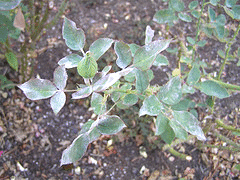
Powdery Mildew: Sphaerotheca pannosa, also quite common, can be nearly as devastating to a rose bush as black spot. Easily identified, the plant is coated with a white powdery substance almost like talcum powder. Powdery mildew first appears on new growth, often appearing on the undersides of leaves and also deforming the leaves. The leaves, leaf and flower stalks, and the petals may be attacked. Young flower buds may fail to open or produce malformed blooms. Under watering and under nourishing can contribute to susceptibility. High nitrogen fertilizer can also contribute (in addition to causing the bush to produce leaves instead of blooms). Poor air circulation and cool nights help spread the disease. Interestingly enough, wet leaves can inhibit the growth of spores, whereas most fungi will thrive on the wet leaves.
To help prevent mildew, meticulous sanitation habits related to debris and infected plant material are important. Prune and destroy all dead and diseased canes each spring. Throughout the summer growing period, any diseased leaves should immediately be removed and destroyed. The plant can be sprayed beginning early summer, taking care to apply to undersides of the leaves. Weekly applications under normal conditions is sufficient, during rainy periods more often. Chemicals used to treat powdery mildew include Lime-Sulfur, sulfur and triforine. These fungicides may be available as either powder or liquid
Canker: This fungus enters a healthy plant through pruning wounds and like other fungus, is spread by splashing water, insects and dirty tools. Canker appears as dead or discolored areas on the rose canes, or appearing to “hollow out” the cane while growth above it seems fine. Once the canker has consumed the girth of the cane, growth above it will die. Do not fertilize or prune a plant infected with canker. Both with stimulate new growth, which is most susceptible. But do remove infected canes as soon as discovered. Clean your pruner after every single cut with a 1:10 chlorine bleach:water solution. A copper based fungicide will help control the fungus, as well as the fungicides that control black spot. To help prevent canker, prune out canes that are crossing each other, and always prune to a outward facing bud node. Canes will die back to the node anyway, inviting canker. Properly protect the plants from freeze injury in the winter and keep them healthy through the growing season with proper watering and fertilizing.
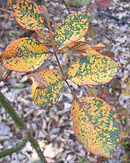
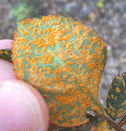
Rust: Phragmidium mucronatum produces rust colored spots on the leaves, or may appear as little pods of orangey spores on the leaves, stems and stalks in its later stages of development. Leaves will turn yellow and fall off. Mature leave typically show symptoms ahead of young leaves. Good watering practices and good air circulation that allow you plants to dry quickly will help prevent rose rust. If absolutely necessary, fungicide chemicals should be applied. These include Triforine, Mancozeb and Chlorothalonil. Follow directions on the package carefully and maintain a regular application schedule.
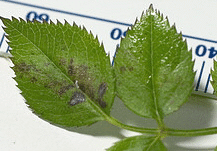
Downy Mildew: Peronospora sparsa is not as rampant as black spot, but it certainly can be deadly. Red or purplish blotches appear on leaves, stems and flower buds, then turn brown with a gray mold forming. The blooms may turn brown. Dead spots may develop on the plant, and within a few days it may drop all it’s leaves. Cool wet weather followed by warm, then cool and wet again may encourage the development of downy mildew. Four weeks of hot dry weather can prevent reproduction of the spores, but the fungus survives, ready to reproduce again next year. If it didn’t kill your rose bush in the first season, good chance it will in the second season.
Bacterial Infections and Viruses
Bacterial infections in rose bushes usually cause blackening of canes, wilting, or root tumors. Viruses display a yellowing mosaic pattern on leaves (leaf mosaic virus), or distorted abnormal leaves (rose rosette). Certain varieties will not develop the leaf symptoms, which makes them difficult to diagnose. The plant will become weak and stunted. These afflictions are not as common as fungi.
Treatment: Although an infected plant cannot be cured, there are things you can do to help prevent infections. Selecting disease resistant rose bushes and proper rose care is the best defense, but will not prevent these diseases. Do your best to control insects such as aphids, which will help spread virus, and leaf hoppers. Clean your pruners after each cut of an infected plant with a 1:10 chlorine:water solution.
Chemical Alternatives
There are chemicals that may help prevent infections, but there are also many popular homemade or organic treatments. Try the following sprays for prevention, and spray all surfaces, including the underside of the leaves.
One tablespoon baking soda dissolved in a gallon of water for black spot and powdery mildew. Or a similar recipe, one teaspoon baking soda, 1/2 teaspoon oil (horticultural oil, such as Sunspray Ultra-Fine) and a quart of warm water. Mix and apply with a spray bottle every 1 to 2 weeks. Note: overdosing and high concentrations of baking soda will burn the foliage.
A deficiency of potassium can make rose bushes more vulnerable. If needed, add 150 grams of sulfate of potash or sulpher dust to each plant to control powdery mildew and black spot.
Steep a whole crushed garlic in a gallon of water, strain, and spray every couple of weeks.
Use antitranspirants made for evergreens (Wilt Pruf or Vapor Guard) to form a coating over the leaves to protect from fungus.
Silicates, marketed as ProTeKt, may control fungus.
Rose Flora is a bacterium that combats black spot fungus. Apply to the plant foliage and to the soil once while the rose bushes are dormant, once right after the leaves appear, and about once a month thereafter.
Wilt Pruf controls mildew, and perhaps rust. Apply with the same directions, or same time as, Rose Flora.
Neem oil, marketed as Defense, kills bacteria, viruses, fungi and pests. Apply carefully according to directions.
Rose bushes that are consistently diseased should be removed and destroyed.