Pin Oak Trees
Pin Oak is also known as Swamp Oak or Swamp Spanish Oak
Quercus palustris Pin Oak

Zones: 4-8a
Sun to part shade
Height: 50-75’
Spread: 35-40’
Shape: Consistently symmetrical canopy in a pyramid shape
Growth Rate: Medium

Soil Preference: Prefers acidic, will exhibit chlorosis in high pH soils, above 6.
Moisture: Prefers moist well drained, drought tolerant
Foliage: Moderately dense with shiny dark green leaves.
Blooms: Brown and inconspicuous
Fruit: 1/2 to 1” brown acorn

Pin Oak is such an attractive pyramidal tree, it is nearly over used in the Midwest and Eastern Regions. The trunk grows straight and the foliage exhibits brilliant red to bronze fall color. Fall color can be variable, with individual trees turning only brown. Pin Oak tolerate urban conditions including pollution, poor drainage and compacted soil and drought, making it an excellent street tree. Pin Oak is resistant to Oak wilt. Other oak pests are generally not fatal, but keep your tree healthy with spring fertilizer and water in dry periods. Lower branches will tend to droop as the tree matures, so prune them off to allow for pedestrian clearance. When grown in the open the lower drooping branches are quite lovely, with center branches horizontal and upper branches quite vertical. Do not plant in very wet soils, it will become more tolerant of wet soil as it matures. The bark is thin and can be easily damaged with lawn trimmers and mowers, mulch to prevent grass growth. Leaves persist through the winter, not dropping until new buds push them off in spring. Pin Oak is resistant to oak wilt and pests do not usually affect the long term health of the tree. The tree may grow more slowly in zone 8a.
Quercus palustris Green Pillar Pin Oak

Zones 4-8
Full to part sun
Height: 50-60’, could reach 100’ in ideal conditions
Spread: 15-25’
Shape: Narrow and upright columnar
Growth Rate: Moderate
Soil Preference: Grows well in clay, loam or sand, prefers an acid pH
Moisture: Moist well drained, will tolerate wet and is drought resistant
Foliage: Glossy dark green
Blooms: Insignificant yellow green flowers
Fruit: Acorn
Green Pillar Pin Oak is an excellent choice for narrow areas or as an interesting specimen tree. The branching is uniform and upright, with no drooping. In the first 10-15 years, will reach about 20’ tall. In autumn leaves turn bronze with hints of red. Leaves persist through most of the winter. There are unconfirmed reports of the foliage and acorns being poisonous.
Quercus ellipsoidalis Northern Pin Oak

Zones: 3-5
Full sun
Height: 60’
Spread: 30-50’
Shape: Oval
Growth Rate: Moderate to Fast, 12-18” per year
Soil Preference: Sandy acidic soil
Moisture: Prefers well drained, medium to dry soil.
Foliage: Upper surface is dark green and smooth, lower surface is lighter green and smooth.
Blooms: Both male and female flowers are present, the male are catkins, the female are groups of 2 or 3 small hanging flowers. Both are inconspicuous.
Fruit: Acorns are produces every other year.
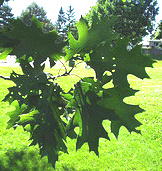
Northern Pin Oak is a hardy northern native, also known as Jack Oak or Hill’s Oak. It grows somewhat narrower than other oaks, beginning somewhat conical when young and opening out as it matures. Lower branches distinctively droop like the Pin Oak. The Northern Pin Oak is wind and salt tolerant. Transplant when young, as the deep taproot makes it difficult with a more mature tree. Autumn color is red.