Fairy Roses, Polyantha
The most commonly known of the Polyantha roses are the ‘Fairy Roses and Cecile Brunner. The Polyantha roses are typically small and compact or spreading, perfect candidates for planting in containers, small spaces, and borders.
Polyantha ‘The Fairy’

- Class: Shrub rose
- Sun: Full sun to part shade
- Height: 2-3’
- Spread: 2-3’
- Growth Habit: Spreading clumps
- Bloom Color: Light pink
- Flower Form: Double, rosette
- Flower Size: Small, 1” in clusters of 15-30
- Petal Count: 35-40
- Bloom Season: Everblooming, June to frost
- Fragrance: Little to no fragrance
- Stem: Heavily thorned
- Foliage: Fine, dark glossy green
- Disease Resistance: Good resistance to disease and blackspot
- Soil: Enriched well drained
- Hardiness: zones 4-9

Also known as Sweetheart rose, ‘The Fairy’ blooms prolifically from June until frost. It does start blooming a bit later than other Polyanthas, but the weeks of heavy blooming is worth the wait. The cascading clusters begin with dark pink buds, open to light pink double blooms, then fade as the blooms mature. The foliage is almost fern-like and shows good disease resistance.
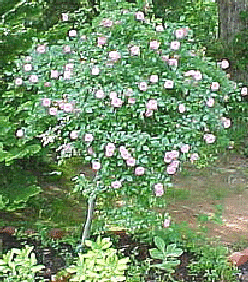
‘The Fairy’ makes an excellent weeping tree rose, as well as a groundcover, bedding plant or cascading out of pots. The blooms make very nice cut flowers. Very easy to grow with minimal maintenance, light pruning in very early spring to remove dead or damaged canes. ‘The Fairy’ is fairly tolerant of poorer soil, alkaline soil and salt. A small number of orange-red hips are produced. Propagates easily from softwood cutting. Hardy to zone 4, minimal protection suggested.
Polyantha ‘The Fairy CL’
- Class: Climbing rose
- Sun: Full sun to part shade
- Height: 5-12’
- Spread: 3-8’
- Growth Habit: Climbing or rambling
- Bloom Color: Light pink
- Flower Form: Double, rosette
- Flower Size: Small, 1” in clusters of 10-20
- Petal Count: 25
- Bloom Season: Everblooming, June to frost
- Fragrance: Faint apple fragrance
- Stem: Heavily thorned
- Foliage: Fine fernlike, dark glossy green
- Disease Resistance: Good resistance to disease and blackspot
- Soil: Enriched well drained
- Hardiness: zones 5-9
‘The Fairy CL’ is the climbing sport of ‘The Fairy’. It is a nice size for a pillar, trellis or fence. It does need to be well tended, as it will tend to spread horizontally. Like ‘The Fairy’, CL blooms prolifically from June until frost. It does start blooming a bit later than other Polyanthas, but the weeks of heavy blooming is worth the wait. The cascading clusters begin with dark pink buds, open to light pink double blooms, then fade as the blooms mature. The foliage is almost fern-like and shows good disease resistance. Very easy to grow with minimal maintenance, light pruning in very early spring to remove dead or damaged canes. ‘The Fairy’ is fairly tolerant of poorer soil and salt. A small number of orange-red hips are produced. Propagates easily from softwood cutting. Hardy to zone 5, minimal protection suggested.
Polyantha ‘The Red Fairy’
- Class: Shrub rose
- Sun: Full sun to part shade
- Height: 2-3’
- Spread: 2-3’
- Growth Habit: Spreading
- Bloom Color: Red
- Flower Form: Semi double
- Flower Size: Small, 1 1/2” in clusters
- Petal Count: 35-40
- Bloom Season: Everblooming, June to frost
- Fragrance: Very light apple fragrance
- Stem: Thorned
- Foliage: Slightly larger foliage than ‘The Fairy’, not as fernlike
- Disease Resistance: Good resistance to disease and blackspot
- Soil: Enriched well drained
- Hardiness: zones 4-9
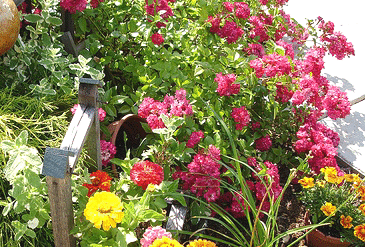
‘Red Fairy’ blooms prolifically from June until frost. It does start blooming a bit later than other Polyanthas, but the weeks of heavy blooming is worth the wait. The cascading clusters are a brick red, and the bloom sprays are quite upright. The foliage shows good disease resistance and the stems are not as heavily thorned as ‘The Fairy’. ‘Fairy’ roses make an excellent weeping tree rose, as well as a groundcover, bedding plant or cascading out of pots. The blooms make very nice cut flowers. Very easy to grow with minimal maintenance, light pruning in very early spring to remove dead or damaged canes. ‘The Fairy’ is fairly tolerant of poorer soil and salt. A small number of orange-red hips are produced. Propagates easily from softwood cutting. Hardy to zone 4, minimal protection suggested.
Polyantha ‘White Fairy’

- Class: Shrub rose
- Sun: Full sun to part shade
- Height: 2-3’
- Spread: 2-3’
- Growth Habit: Spreading clumps
- Bloom Color: White
- Flower Form: Double, rosette
- Flower Size: Small, 1” in clusters of 15-30
- Petal Count: 35-40
- Bloom Season: Everblooming, June to frost
- Fragrance: Little to no fragrance
- Stem: Heavily thorned
- Foliage: Fine, dark glossy green
- Disease Resistance: Good resistance to disease and blackspot
- Soil: Enriched well drained
- Hardiness: zones 4-9

‘White Fairy’ blooms prolifically from June until frost. It does start blooming a bit later than other Polyanthas, but the weeks of heavy blooming is worth the wait. The foliage is almost fern-like and shows good disease resistance. ‘The Fairy’ makes an excellent weeping tree rose, as well as a groundcover, bedding plant or cascading out of pots. The blooms make very nice cut flowers. Very easy to grow with minimal maintenance, light pruning in very early spring to remove dead or damaged canes. ‘The Fairy’ is fairly tolerant of poorer soil. A small number of orange-red hips are produced. Propagates easily from softwood cutting. Hardy to zone 4, minimal protection suggested.